.webp?v=639277312741774433)


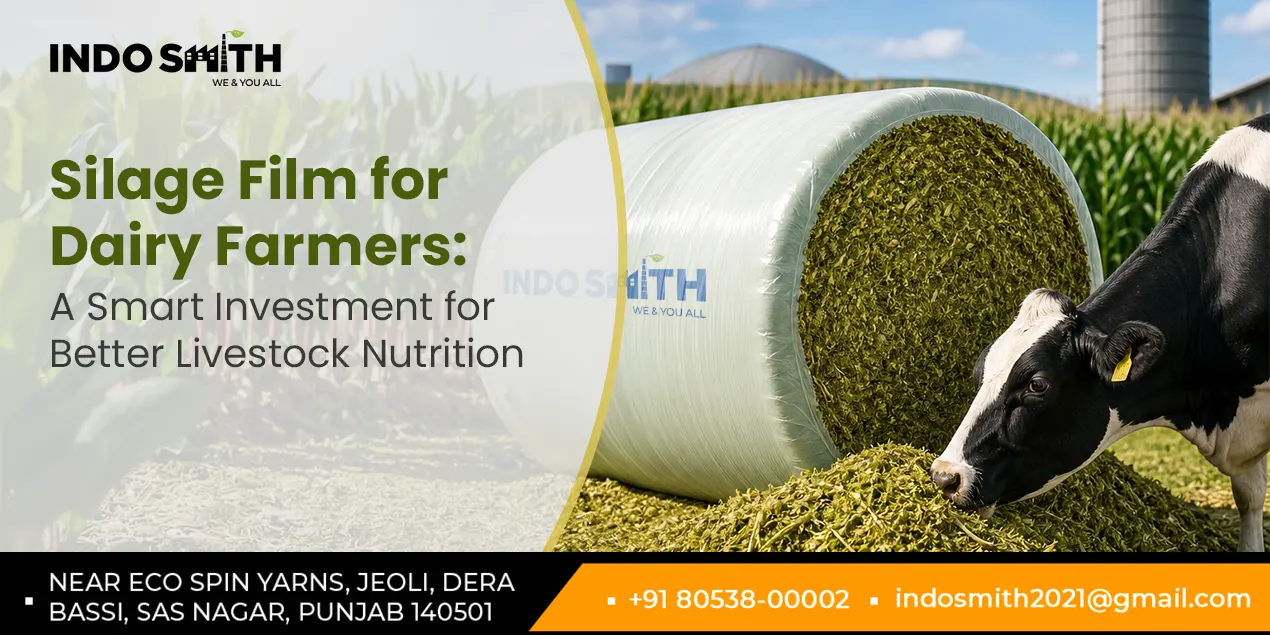
Silage Film for Dairy Farmers: A Smart Investment for Better Livestock Nutrition
Most dairy farmers work very hard to grow quality fodder for their animals. However, due to poor storage conditions, a significant amount of feed can spoil before it is used. This not only results in financial losses but also affects animal nutrition. Poor-quality feed can negatively impact livestock health and reduce milk production.
This is why many farmers are now choosing silage film for dairy farmers in Punjab. It helps preserve fodder for extended periods, reducing waste and ensuring better feed quality. In this article, we will discuss why silage film is becoming essential for dairy farms and how choosing the right supplier can make a significant difference.
Why Feed Quality Matters in Dairy Farming
Proper nutrition is essential for maintaining healthy livestock. When cows and buffaloes consume poor-quality fodder, their health and productivity can suffer. Many farmers have observed that low-quality feed often leads to reduced milk production.
Good nutrition is not just about the quantity of feed but also its quality. Fresh and properly stored silage provides animals with the nutrients and energy they need for optimal performance.
Dairy farming continues to grow across Punjab, and farmers are paying more attention to feed management because they understand that healthy animals contribute directly to better income.
What Is Silage Film?
Silage film is a specially designed plastic film used to cover and protect silage. It prevents air and moisture from entering stored fodder, creating ideal conditions for proper fermentation.
When oxygen reaches silage, spoilage, mold, and fungal growth can occur, making the feed unsuitable for livestock. Silage film creates an airtight seal that helps preserve fodder quality.
Many farmers use maize silage, sorghum silage, and green fodder. Proper wrapping with silage film helps maintain nutritional value and freshness for several months.
This is one of the main reasons why the demand for silage film for dairy farmers in Punjab is increasing steadily.
How Silage Film Helps Dairy Farmers
1. Better Nutrition for Animals
Fresh silage retains essential nutrients when stored correctly. As a result, livestock receive higher-quality feed, which supports better health and productivity.
Farmers often notice improved milk production when feed quality is maintained. Even small improvements in nutrition can have a positive impact over time.
2. Less Feed Waste
Feed wastage is a major challenge for many dairy farms. Poor storage methods can result in large quantities of fodder becoming unusable.
Silage film helps minimize this problem by reducing oxygen exposure and preventing spoilage. This allows farmers to utilize more of the harvested fodder rather than discarding it.
3. Savings in the Long Run
Some farmers view silage film as an additional expense, but it often leads to substantial savings.
Spoiled fodder means wasted resources. By keeping feed fresh for longer periods, silage film reduces the need to purchase additional feed and helps improve overall farm profitability.
Many experienced dairy farmers consider quality silage film a valuable long-term investment.
Why Punjab Farmers Are Choosing Silage Film
Punjab has one of the strongest dairy industries in India, with many families relying on milk production as a primary source of income.
The region's weather conditions can affect fodder quality, especially during hot and humid periods when feed spoilage becomes more common.
To overcome these challenges, more farmers are adopting silage film for dairy farmers in Punjab to protect their harvested fodder.
Another reason is rising labor costs. Farmers increasingly prefer solutions that reduce losses and simplify storage management. Silage film offers a practical and efficient answer to these concerns.
Things to Check Before Buying Silage Film
Thickness Matters
Thin films can tear easily and may not provide adequate protection. High-quality, thicker films offer greater durability and better preservation.
Farmers should always evaluate product quality before making a purchase.
UV Protection
Punjab experiences intense sunlight during the summer months. UV-protected silage films are designed to withstand prolonged exposure to sunlight and heat.
This feature helps extend the life of the film and improves fodder protection.
Stretchability
A good silage film should stretch properly without tearing. Proper stretchability helps create a strong airtight seal, which is essential for effective fermentation.
Better fermentation leads to better-quality silage.
Quality Over Cheap Price
Many farmers choose low-cost products to save money initially. However, poor-quality films can lead to greater losses through feed spoilage.
Investing slightly more in a reliable product often provides better value and long-term savings.
Practical Experience from Dairy Farms
Many dairy farmers who switched to silage film reported a noticeable reduction in feed wastage after harvest.
Some farmers also observed that livestock consumed silage more readily because it remained fresher and retained better nutritional quality.
Across villages in Punjab, awareness about proper fodder storage is steadily increasing. While traditional methods are still used in some areas, modern storage techniques are helping farmers save both time and money.
This growing awareness has contributed significantly to the popularity of silage film for dairy farmers in Punjabamong both small-scale and large-scale dairy operations.
Finding Reliable and Affordable Suppliers
Choosing the right supplier is just as important as selecting the right product.
Reliable suppliers provide strong, durable silage films and help farmers choose the appropriate size and thickness based on their storage requirements.
Many farmers search for affordable silage film suppliers in Punjab because they want a balance between quality and cost-effectiveness.
Purchasing from a trusted supplier offers peace of mind and reduces the risk of receiving substandard materials.
Before making a purchase, farmers should compare:
- Product quality
- Customer support
- Pricing
- Availability
- Delivery reliability
Reading customer reviews and seeking recommendations from fellow dairy farmers can also help identify dependable suppliers.
A reliable supplier ensures consistent product quality and timely delivery, helping farmers manage fodder storage more efficiently throughout the year.
Why Indosmith Is Trusted by Farmers
Indosmith has become a preferred choice for many dairy farmers because of its focus on quality silage preservation solutions.
The company provides durable and easy-to-use silage films designed to support proper fodder storage and reduce feed losses.
Indosmith understands the practical challenges faced by dairy farmers and offers products suitable for farms of different sizes.
In addition to quality products, the company places strong emphasis on customer satisfaction. Many farmers trust the brand because of its consistent quality and dependable performance.
Farmers also appreciate the availability of products and competitive pricing, making Indosmith a practical and reliable choice.
Over the years, this commitment to quality has helped Indosmith build strong relationships with dairy farmers across Punjab.
Conclusion
Proper fodder storage plays a crucial role in successful dairy farming. Fresh, well-preserved feed supports better livestock health and can contribute to higher milk production.
At the same time, reducing feed wastage helps farmers improve profitability and make better use of harvested fodder.
For these reasons, more farmers are choosing silage film for dairy farmers in Punjab. It is much more than a covering material—it is a smart investment in livestock nutrition, feed preservation, and long-term savings.
If you are searching for ffordable silage film suppliers in Punjab, Indosmith is a trusted option. With quality products and a strong commitment to farmers' needs, Indosmith helps dairy businesses protect valuable fodder and achieve better returns from their dairy operations.

