.webp?v=639277312741774433)


When it comes to shipping and logistics, securing your products properly is crucial to ensuring they arrive intact. Strapping materials like Polypropylene (PP) and Polyethylene Terephthalate (PET) straps are popular choices for bundling, reinforcing, and securing loads during transport. But what makes these materials so effective?
Affordable Security for Lighter Loads
PP straps are a cost-effective solution commonly used for lighter loads. They are flexible, easy to handle, and provide enough strength to secure small to medium-sized shipments. Available in various widths and thicknesses, PP straps are perfect for industries like retail, manufacturing, and logistics that need economical and efficient bundling solutions.
Heavy-Duty Support for Large Shipments
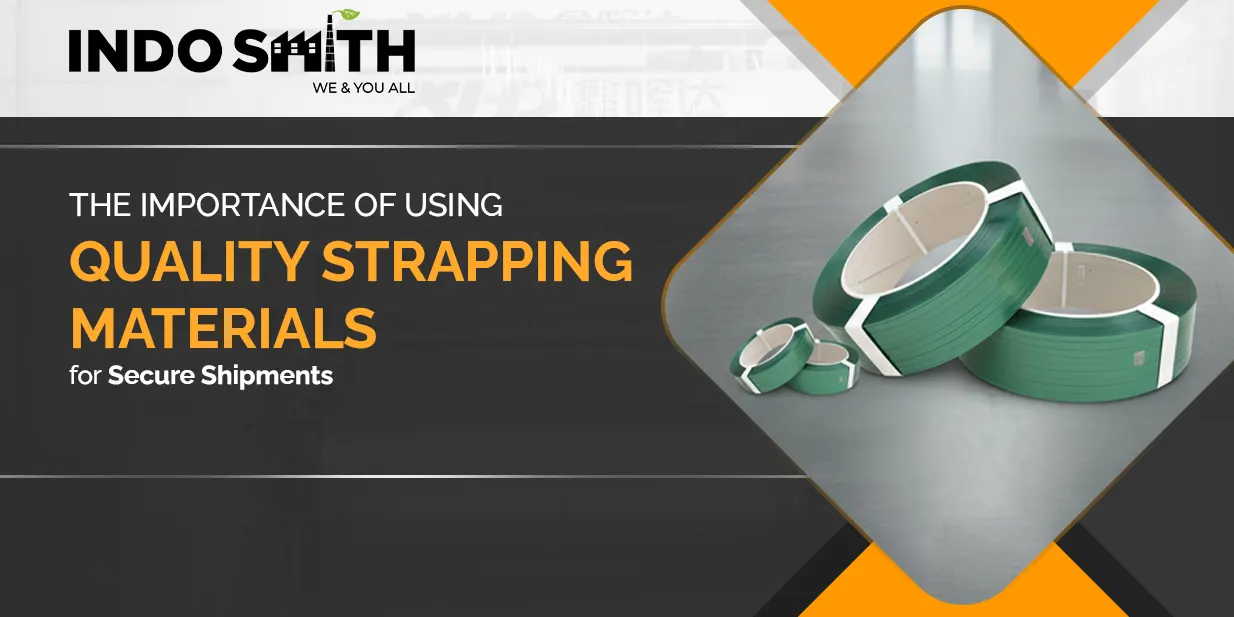
On the other hand, PET straps are designed for heavier loads. These straps are stronger and more durable, offering high tensile strength that rivals steel straps but with the added benefit of being lighter and safer to use. PET straps are ideal for securing large or heavy items such as industrial equipment, bricks, or large boxes, making them a preferred choice for industries that require robust reinforcement.
Built for Storage, Transit, and Stability
Protection That Holds Up Over Time
Both types of strapping materials offer excellent resistance to UV rays, meaning they can withstand outdoor storage and long-distance transport without degrading. Additionally, they help prevent damage by keeping loads stable and protected from shifting during transit.
Why Choosing Quality Materials Matters
Using the right strapping material not only improves the safety of your shipments but also reduces the risk of costly damages, ensuring your products reach their destination securely and in perfect condition. Whether you need economical PP straps for light bundling or strong PET straps for heavy-duty applications, choosing high-quality strapping materials is essential for efficient, reliable shipments.

